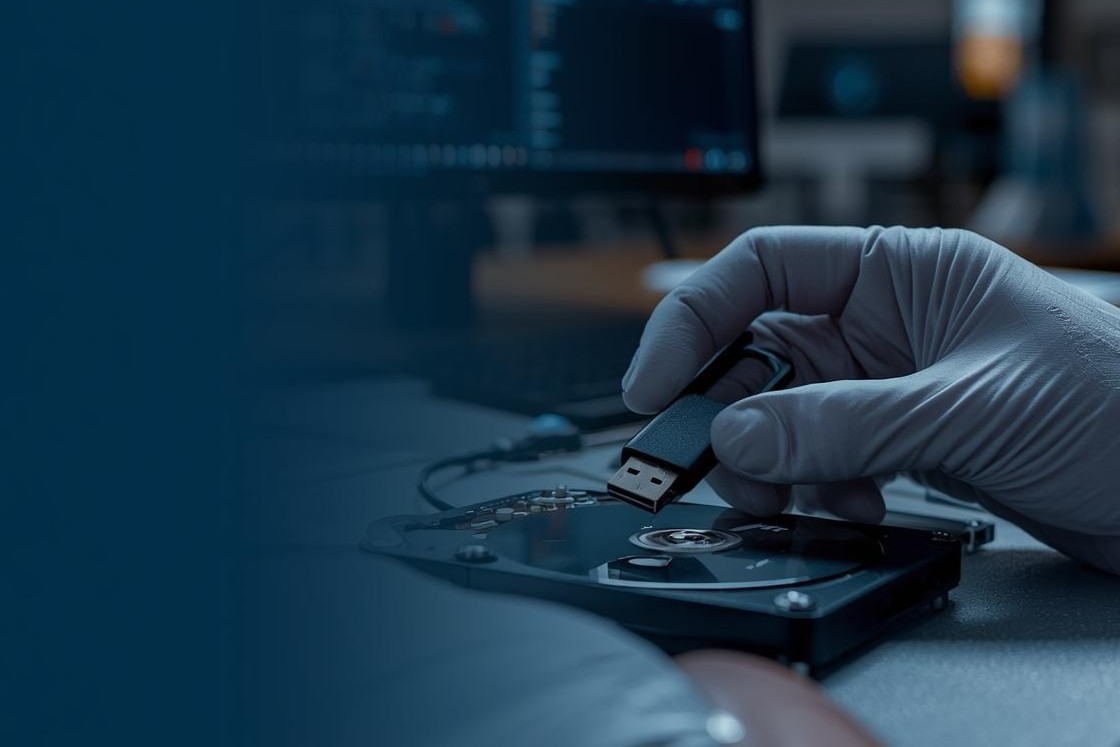
Step-by-Step Digital Forensic Investigation Process
A digital forensic investigation refers to the systematic examination of digital devices, systems, and data to uncover facts related to cyber incidents, security breaches, or legal disputes. The primary objective is to reconstruct events while ensuring that all digital evidence remains intact, verifiable, and legally admissible.
Digital forensic investigations are commonly conducted in cases involving:
- Cybercrime and financial fraud
- Data breaches and ransomware attacks
- Insider threats and employee misconduct
- Intellectual property theft
- Regulatory and compliance investigations
- Corporate litigation and disputes
By following a standardized forensic methodology, investigators can produce reliable findings that withstand technical and legal scrutiny.
Step 1: Identification of Digital Evidence
The first and most critical step in the digital forensics process is identifying potential sources of digital evidence. Investigators assess the scope of the incident and determine which systems, devices, or data repositories may contain relevant information.
Common sources of digital evidence include:
- Computers and laptops
- Mobile devices and removable storage media
- Servers and enterprise storage systems
- Email platforms and collaboration tools
- Cloud services and virtual environments
- Network logs, firewalls, and security monitoring systems
Accurate evidence identification helps prevent data loss, limits unnecessary exposure of unrelated information, and ensures that all relevant artifacts are preserved for investigation.
Step 2: Preservation of Digital Evidence
Once potential evidence sources are identified, the next step is the preservation of digital evidence. Preservation ensures that data is protected from alteration, deletion, or contamination throughout the investigation.
Evidence preservation activities may include:
- Isolating affected systems from the network
- Restricting unauthorized access to devices
- Using forensic write blockers for storage media
- Securing physical and logical access controls
- Documenting the original condition of evidence
Preservation is a foundational step in any digital forensic investigation, as failure at this stage can compromise the entire case.
Step 3: Evidence Acquisition and Collection
During the acquisition phase, investigators collect digital evidence using approved forensic techniques. The goal is to create exact replicas of the original data without modifying it.
Evidence acquisition typically involves:
- Bit-by-bit forensic imaging of storage devices
- Secure collection of volatile data such as memory (RAM), when required
- Capturing system and network logs
- Generating cryptographic hash values (MD5, SHA-1, SHA-256)
- Verifying data integrity through hash comparison
By working on forensic copies rather than original data, investigators preserve the authenticity and reliability of evidence.
Step 4: Examination of Digital Data
The examination phase focuses on extracting relevant information from acquired forensic images. This stage prepares the data for detailed analysis but does not involve interpretation or conclusions.
Common digital forensic examination activities include:
- File system and directory analysis
- Recovery of deleted or hidden files
- Extraction of system and application artifacts
- Identification of file types and metadata
- Initial filtering and categorization of data
The examination process reduces large data volumes into manageable datasets for deeper forensic analysis.
Step 5: Forensic Analysis
Forensic analysis is the most interpretive phase of the digital forensic investigation process. Investigators analyze examined data to reconstruct events, identify user actions, and uncover malicious or unauthorized activity.
Key objectives of forensic analysis include:
- Reconstructing event timelines
- Identifying unauthorized access or misuse
- Correlating artifacts across multiple systems
- Detecting indicators of compromise (IOCs)
- Establishing relationships between users, devices, and actions
This phase answers critical investigative questions such as who, what, when, where, and how an incident occurred.
Step 6: Timeline Reconstruction and Correlation
Timeline reconstruction involves creating a chronological sequence of events based on forensic findings. This helps establish causality and understand the progression of incidents.
Timeline activities include:
- Correlating timestamps from multiple sources
- Building event sequences
- Identifying temporal gaps in evidence
- Establishing cause-and-effect relationships
Step 7: Documentation Throughout the Investigation
Comprehensive documentation is maintained throughout all phases of the investigation. This ensures transparency, repeatability, and legal defensibility.
Documentation includes:
- Tool usage and configuration details
- Methodology and process steps
- Evidence handling procedures
- Analysis findings and observations
Step 8: Forensic Reporting
The final phase involves creating detailed forensic reports that document findings, methodology, and conclusions in a clear, defensible manner.
Report components typically include:
- Executive summary
- Technical findings
- Methodology and tools used
- Evidence references and chain of custody
- Conclusions and recommendations
Step 9: Chain of Custody Management
Chain of custody documents the handling of evidence from collection through analysis and presentation. This ensures evidence integrity and legal admissibility.
Step 10: Legal and Ethical Compliance
Throughout the investigation, adherence to legal requirements and ethical standards is maintained. This includes jurisdiction compliance, privacy considerations, and professional conduct.
Challenges in Digital Forensic Investigation Process
Common challenges include:
- Evolving technologies and encryption
- Large data volumes
- Anti-forensic techniques
- Cross-border legal issues
Why a Structured Digital Forensic Process Matters
A systematic approach ensures:
- Evidence integrity and reliability
- Legal defensibility
- Consistency and repeatability
- Professional credibility
Conclusion
The digital forensic investigation process provides a structured framework for uncovering digital evidence while maintaining integrity and legal compliance. Following these steps ensures reliable, defensible findings that can withstand technical and legal scrutiny.